Japan is one of my favourite trips I’ve ever taken, but it was also the most stressful to organise. There was so much to book in advance, from hotels and transport to activities. However, that doesn’t mean there wasn’t room for spontaneity. Some of Japan’s most popular attractions can sell out weeks or even months in advance, so knowing what to prioritise is important.
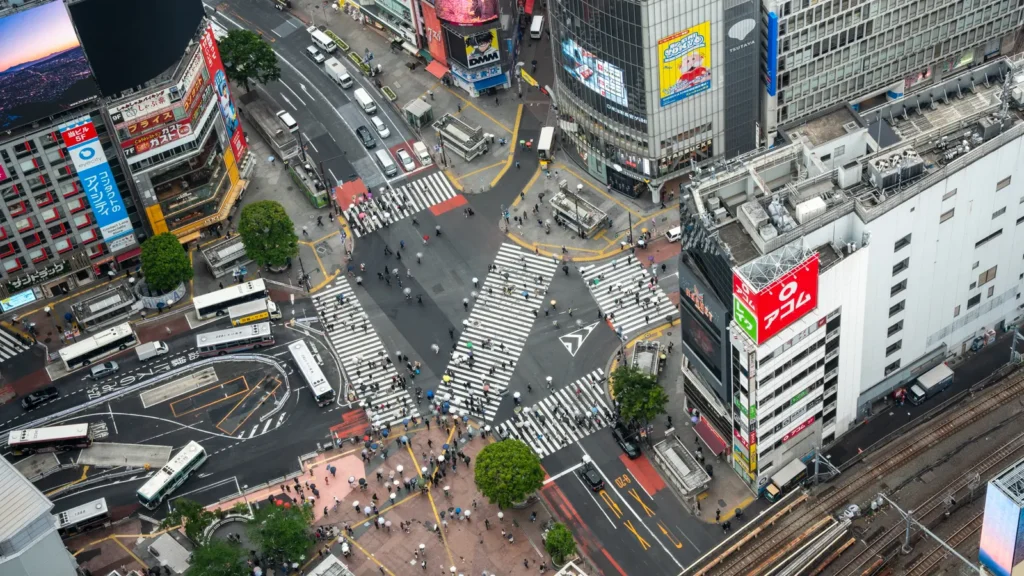
I spent 12 days exploring Tokyo, Hakone, Kyoto and Osaka, as well as taking day trips to other towns and cities. There were occasions when I struggled to secure tickets for certain activities. For example, I had to compromise on Shibuya Sky because I couldn’t get a sunset time slot.
In this guide, I’ll break down what you need to book in advance in Japan, from hotels to attractions. I’ll share everything I booked, what I wish I’d reserved sooner and what you can leave until you arrive.
Some links in this post are affiliate links, to learn more about how we use these, read our disclaimer.
- Quick Information
- In a Hurry? Start Here
- Booking Hotels and Accommodation
- Attractions and Experiences to Book Early
- Popular workshops and cultural experiences
- Transport You Should Arrange in Advance
- Restaurants Worth Booking in Advance
- How Far in Advance Should You Book?
- What Can You Book Once You're in Japan?
- My Japan Booking Checklist
- Final Thoughts: What Would I Prioritise?
Quick Information
In a Hurry? Start Here
If you’re planning a trip to Japan, I’d recommend booking your accommodation first, followed by any attractions with limited availability. Experiences like PokéPark KANTO, Shibuya Sky and popular workshops are worth prioritising to avoid missing out on your preferred dates.
Booking Hotels and Accommodation
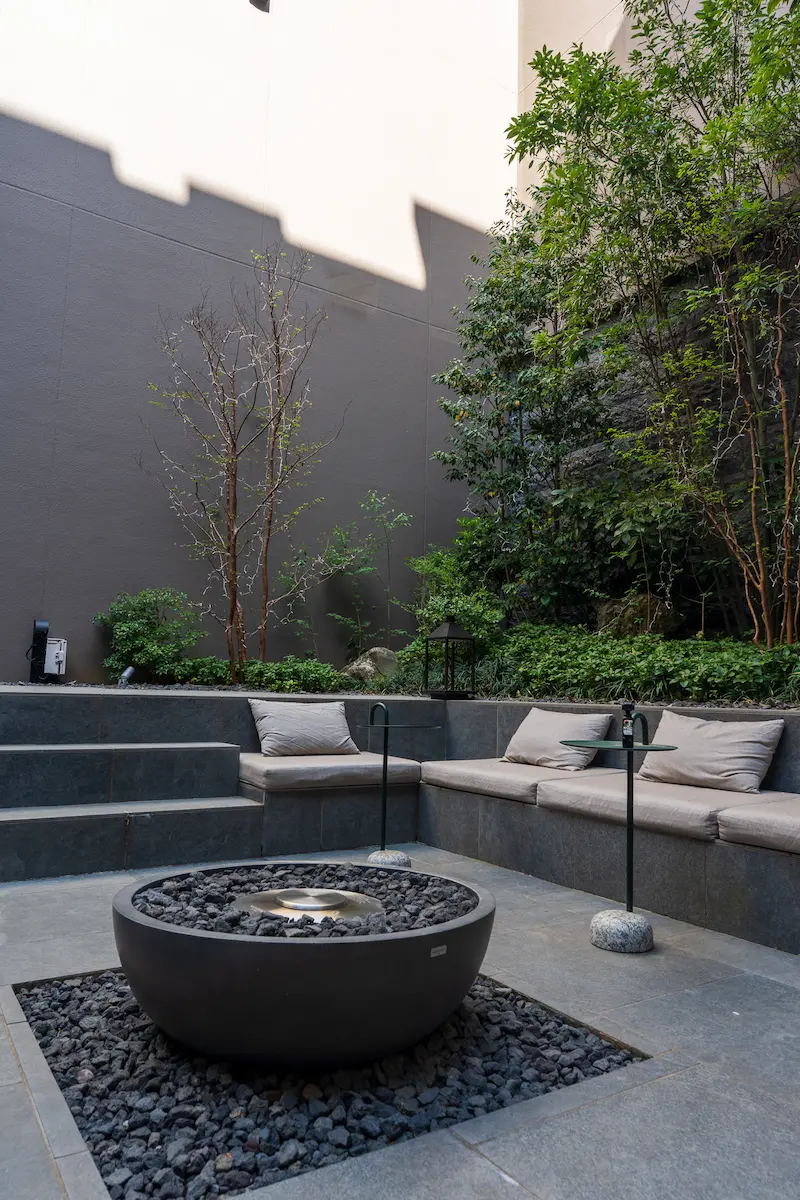
Once you’ve booked your flights, I’d recommend arranging your accommodation next. When choosing a hotel, look for somewhere with good transport connections or within easy reach of the attractions you want to visit. This makes it much easier to plan your activities and travel between destinations.
I’d also recommend booking hotels with free cancellation where possible, giving you the flexibility to adjust your itinerary if your plans change.
During my 12-day trip, I stayed at five different hotels across Tokyo, Hakone, Kyoto and Osaka. I found them all easy to access and would happily recommend them. I actually stayed at two different hotels in Tokyo, and of the two, I’d definitely choose Sequence Suidobashi again.
For a complete breakdown of where I stayed and how I planned my route, check out my 12-Day Japan Itinerary.
Attractions and Experiences to Book Early
If you’re unsure where to start when planning your trip to Japan, I’d recommend booking your accommodation first. This gives you a base for exploring each destination and makes it easier to organise activities around where you’re staying.
Some hotels offer free cancellation, giving you flexibility if your plans change. However, it’s worth checking the cancellation policies of individual attractions, as these can be much stricter.
Although some attractions have plenty of availability, certain time slots are much more popular than others. Sunset at Shibuya Sky and early mornings at teamLab Planets are two examples where I’d recommend booking ahead to secure your preferred time.
teamLab Planets
Generally, you don’t need to book teamLab Planets too far in advance. However, tickets aren’t sold at the venue, so you’ll need to purchase them online before visiting.

I’d recommend booking early if you want a morning slot, when the artwork can be quieter and it’s easier to take photographs without large crowds. Popular time slots can sell out, so it’s worth securing your tickets once you’ve confirmed your plans.
Shibuya Sky
I actually booked Shibuya Sky on the way to the airport, and if you’re flexible with your timings, that’s absolutely fine. However, there weren’t many time slots remaining when I booked.
The most popular times fill up quickly, particularly if you want to visit at sunset. Unfortunately, I couldn’t secure a sunset slot, so I had to settle for an early morning visit.
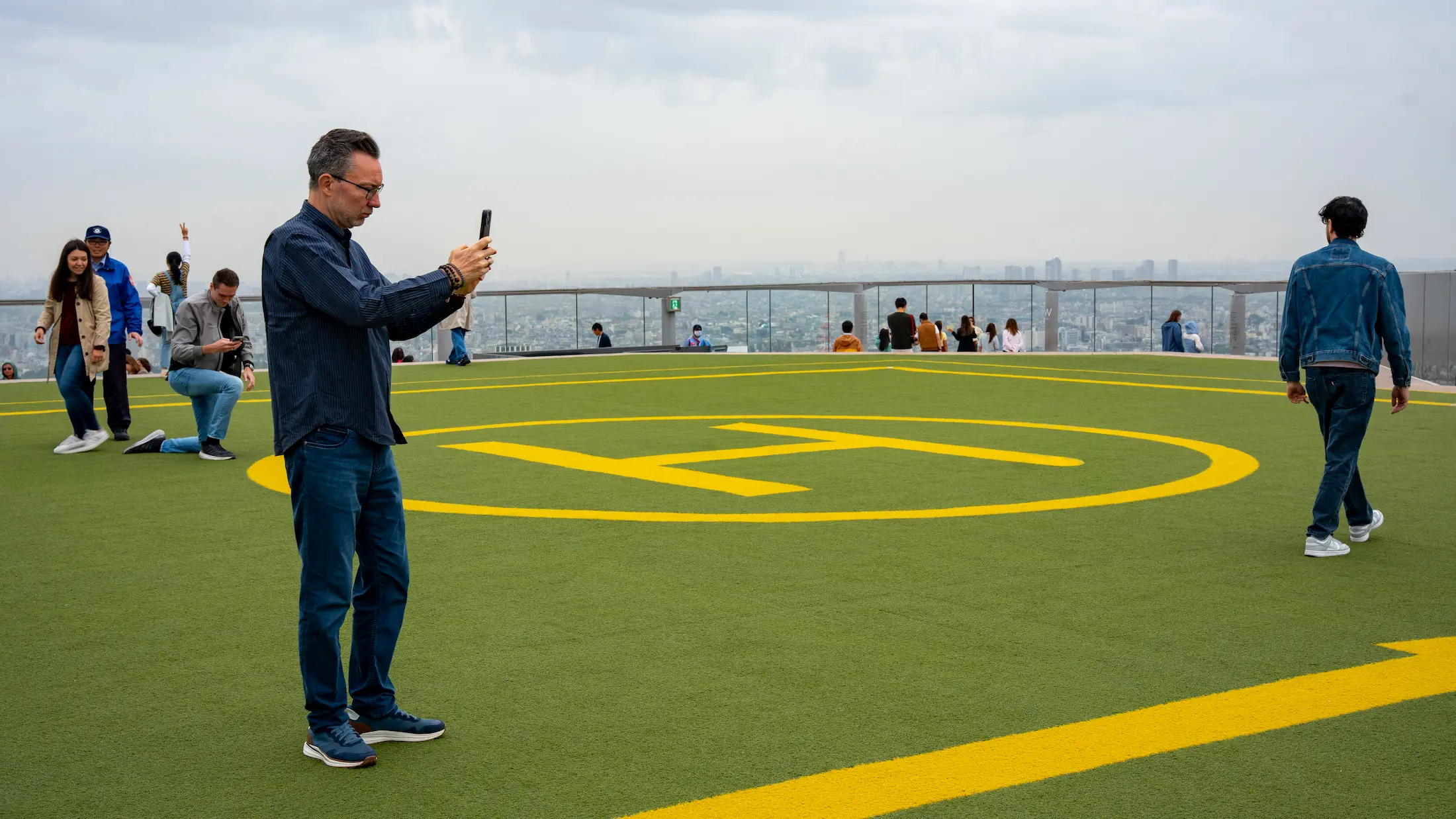
As it turned out, this worked in my favour because it was the only time that day when it wasn’t raining. If you’re hoping to enjoy sunset views over Tokyo, I’d recommend checking when tickets are released and booking as soon as your preferred date becomes available.
PokéPark KANTO
This was perhaps the hardest activity to book in Japan, but one of the most worthwhile. When I visited, tickets were released 30 days in advance, and securing them was basically a battle against everyone else trying to book.
Thankfully, the booking system has since changed to a lottery, meaning you no longer have to race to secure tickets the moment they become available.
For international visitors, applications now open three months before your visit, between the 1st and 12th of each month. Successful applicants are notified towards the end of the month, so you’ll need to plan this experience much further in advance than most other attractions.
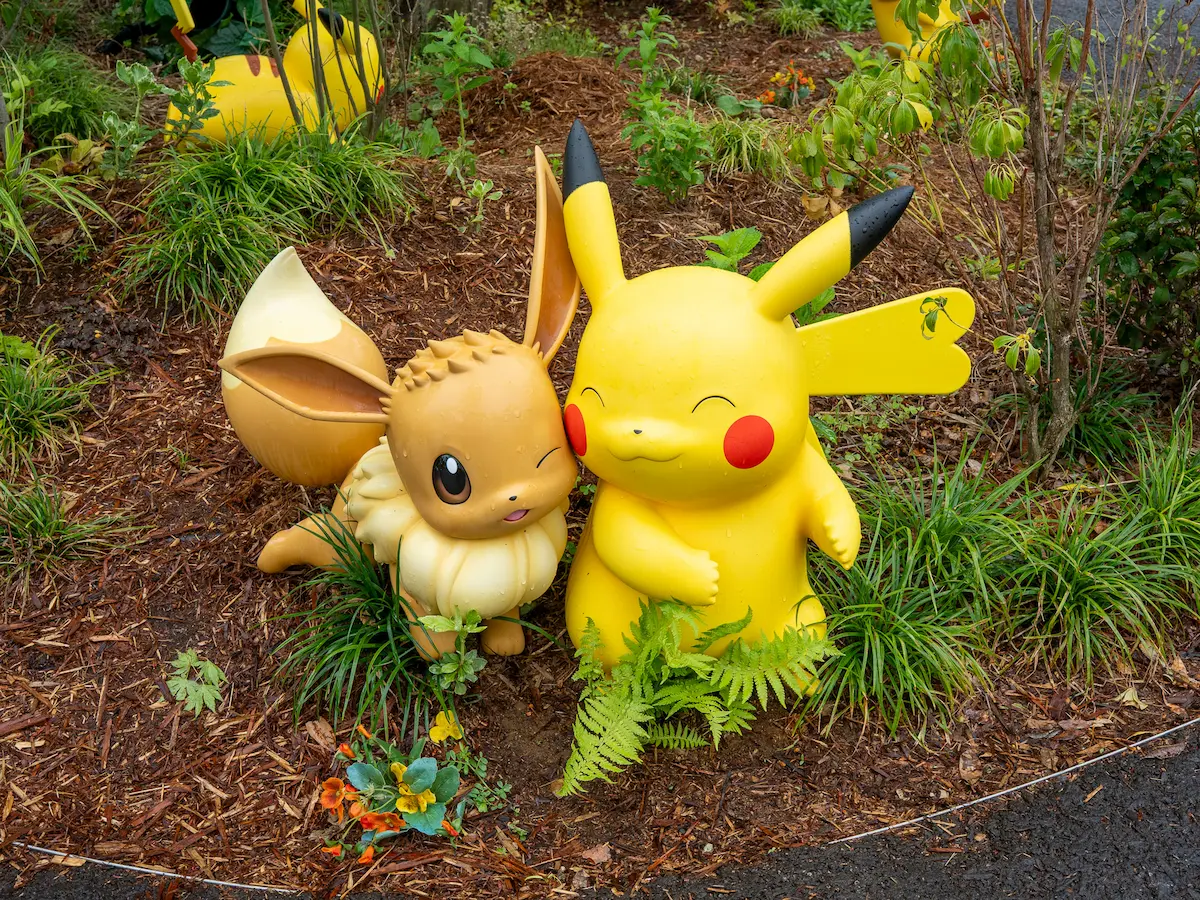
My advice: As soon as you’ve confirmed your Tokyo dates, check the official booking calendar and set yourself a reminder for when applications open. If your a Pokefan then don’t leave this experience until the last minute.
Popular workshops and cultural experiences
Most of these experiences I booked fairly close to the activity date, so they don’t necessarily require months of planning. However, I’d still recommend booking ahead to give your itinerary some structure and avoid disappointment, particularly if there’s a specific workshop you want to experience.
I’ve ranked the four experiences below from easiest to hardest to book, based on my own experience.
Chopstick Making Workshop (Easiest)
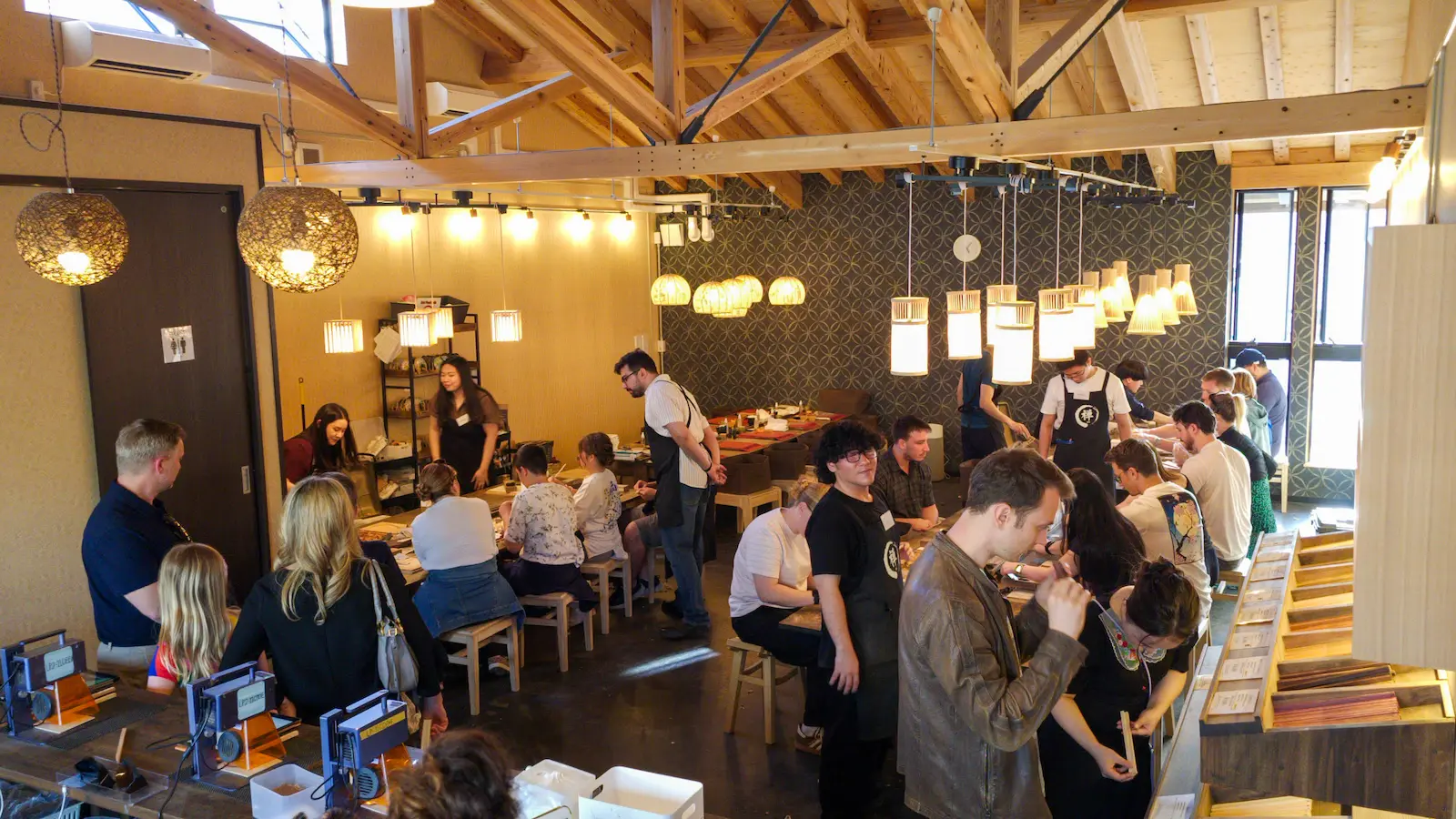
Chopstick-making workshops are available in several cities across Japan, making them one of the easier cultural experiences to book.
During my workshop in Kyoto, everyone worked at their own pace. Some people had just arrived, while others were putting the finishing touches on their chopsticks.
Although this was one of the easier workshops to book, I’d still recommend reserving a space in advance. That way, you can arrive at your chosen time and get straight into making your own chopsticks.
Traditional Tea Ceremony (Easy-Medium)
Traditional Japanese tea ceremonies are available in several cities across Japan, so if you can’t fit one into your plans in one city, you may have another opportunity elsewhere.
My preference was to experience a tea ceremony in Kyoto. Of all the cities I visited, it felt like the perfect combination of modern and traditional Japan, making it an ideal setting for this experience.
Although there are plenty of places offering tea ceremonies, sessions often have limited spaces and set starting times. I’d recommend booking ahead if you have a particular venue or time in mind, especially if you’re trying to fit several activities into one day.
Knife Sharpening Workshop (Medium Difficulty)
Knife-sharpening workshops are much less common than chopstick-making classes, although they also tend to be less well-known.
When I arrived in Kyoto, I didn’t even know this was an activity you could do until I spotted it advertised in a shop. Unfortunately, the next available session wasn’t until two days later.
Luckily, this fitted perfectly into my itinerary, but had I discovered it on my last day, I would have missed out entirely.
If this is something you’d like to experience, I’d recommend booking before arriving in Japan. The classes can be extremely small, with mine having just six participants, so availability can be limited.
Game Boy Modding Workshop (Very Hard to Book)
This was by far the hardest workshop for me to book in Japan. Classes can be extremely small (mine had just three people, including myself), and spaces can fill up quickly.
I had to compromise and build an original Nintendo Game Boy, when I would have preferred a Game Boy Advance or Advance SP for the nostalgia.Even then, I only managed to secure a place because of a cancellation, which I had spotted while enjoying a coffee at the airport. Had I not checked at that moment, I probably would have missed out entirely.
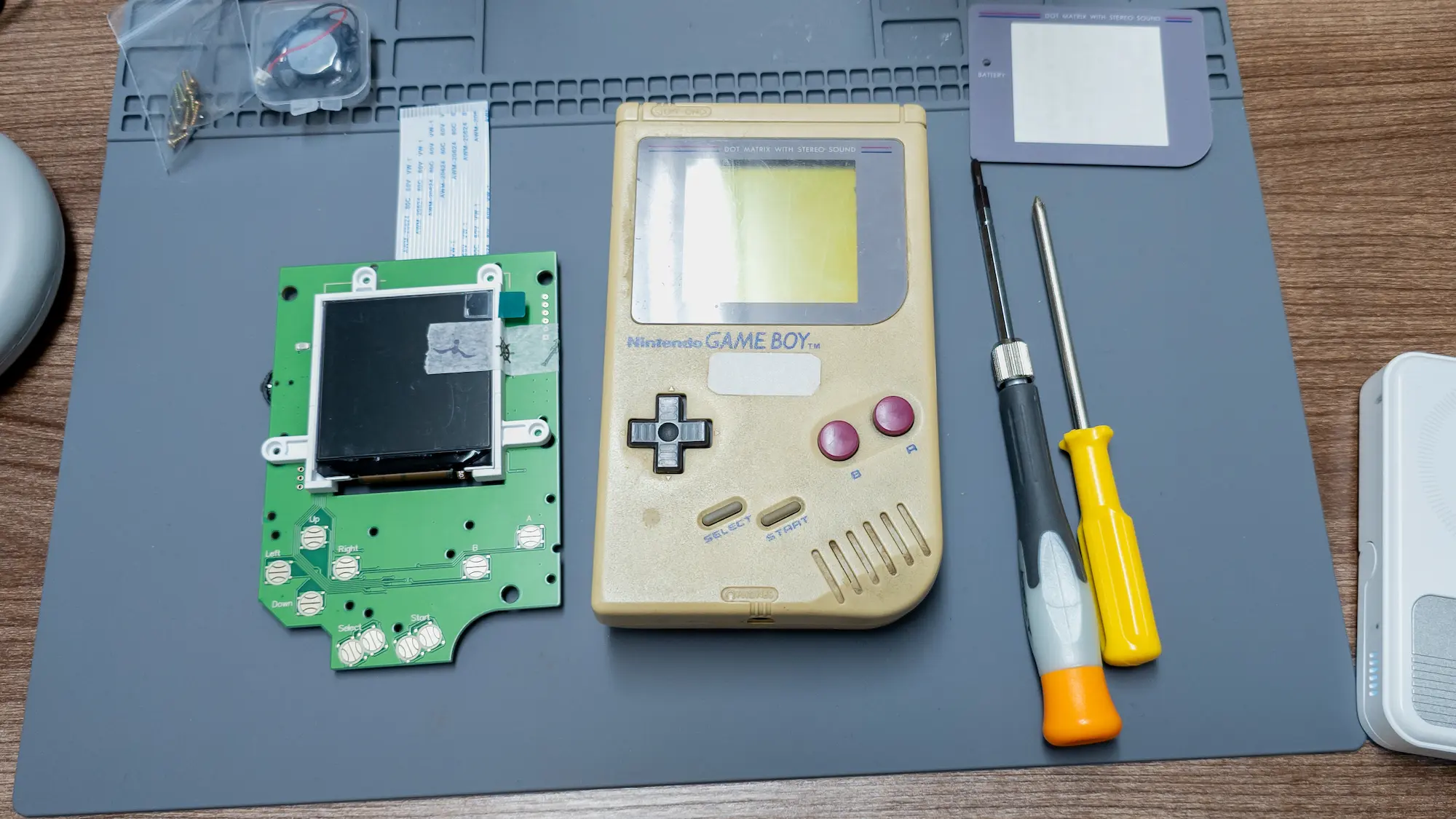
If this is an experience you’re particularly interested in, I’d recommend checking availability as soon as your Japan dates are confirmed. If your preferred session is fully booked, keep checking for cancellations, as spaces can become available unexpectedly.
Transport You Should Arrange in Advance
Generally, I found that transport in Japan didn’t need to be booked too far in advance. The public transport system is incredibly easy to navigate, and for everyday journeys, you can simply use a Suica card or purchase tickets at the station.
Taxis and Uber are also convenient, particularly when travelling with luggage, although they’re generally more expensive than public transport.
There are, however, a couple of journeys I’d recommend planning ahead.
Romancecar to Hakone
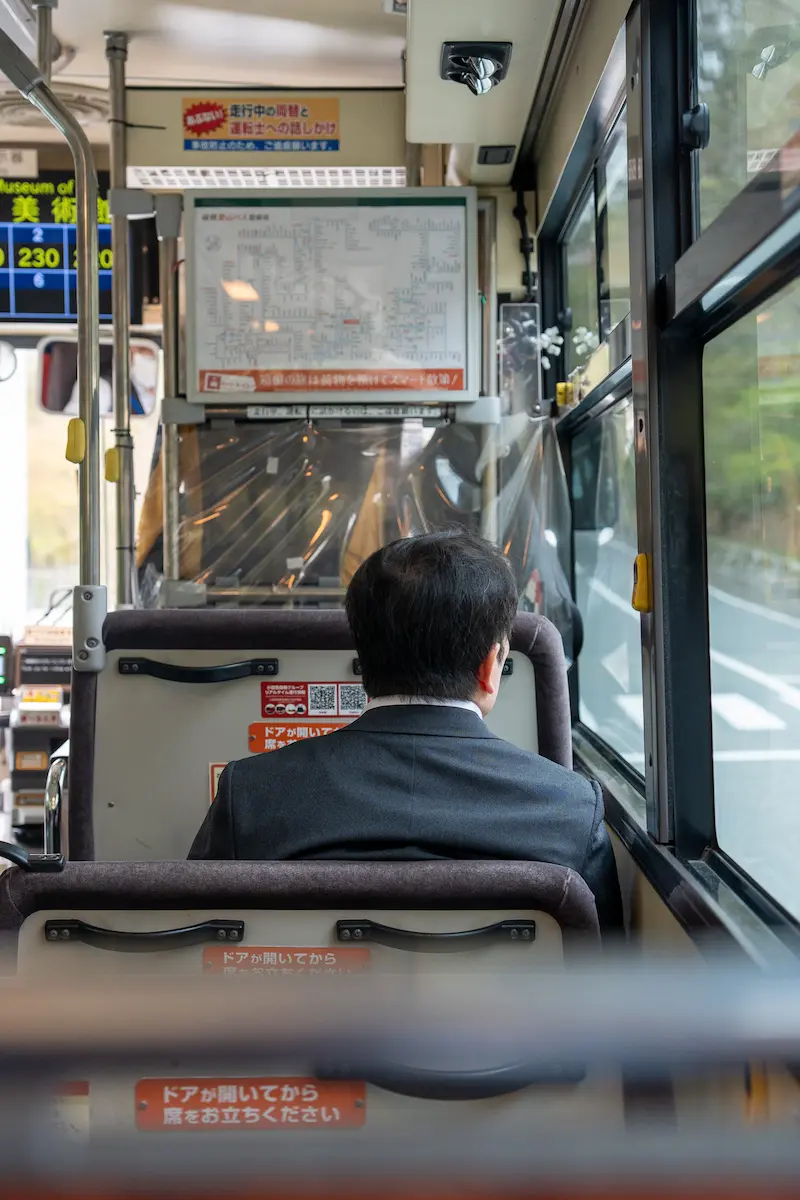
If you’re travelling to Hakone from Tokyo, I’d recommend booking the Romancecar in advance, particularly if you’re travelling with someone and want to sit together.
All seats are reserved, and tickets become available one month before departure. You’ll need a limited express ticket alongside your regular fare or Hakone Freepass.
Shinkansen (Bullet Train)
I found the Shinkansen incredibly easy to use, and you don’t necessarily need to book weeks in advance. However, I’d recommend reserving seats if you’re travelling during busy periods, want to sit together or have a specific departure time in mind.
One thing to consider is luggage. On the Tokaido–Sanyo–Kyushu Shinkansen, suitcases measuring over 160cm in combined height, width and depth require a reservation for an appropriate oversized baggage space.
Smaller suitcases and backpacks generally don’t require a special luggage reservation.
I actually used luggage forwarding between Tokyo and Kyoto, which made travelling between cities much easier.
Restaurants Worth Booking in Advance
During my trip to Japan, I rarely booked restaurants in advance, often making reservations on the day or simply walking in. I discovered so many amazing places just by exploring on foot. However, that doesn’t mean I didn’t encounter a few problems.
If you’re exploring Hakone, I’d really recommend planning where to eat beforehand. Depending on where you’re staying, restaurant options can be limited, particularly in the evenings. Even my hotel, Blisstia Hakone Sengokuhara, only offered breakfast rather than dinner.
I really wanted to eat at Gora Brewery & Grill in Hakone after hearing fantastic things about it. Unfortunately, I couldn’t secure a reservation. My hotel concierge even tried to arrange a table on the day, but without success.
I decided to chance a walk-in anyway, with fairly low expectations, and unsurprisingly, we couldn’t get a table.
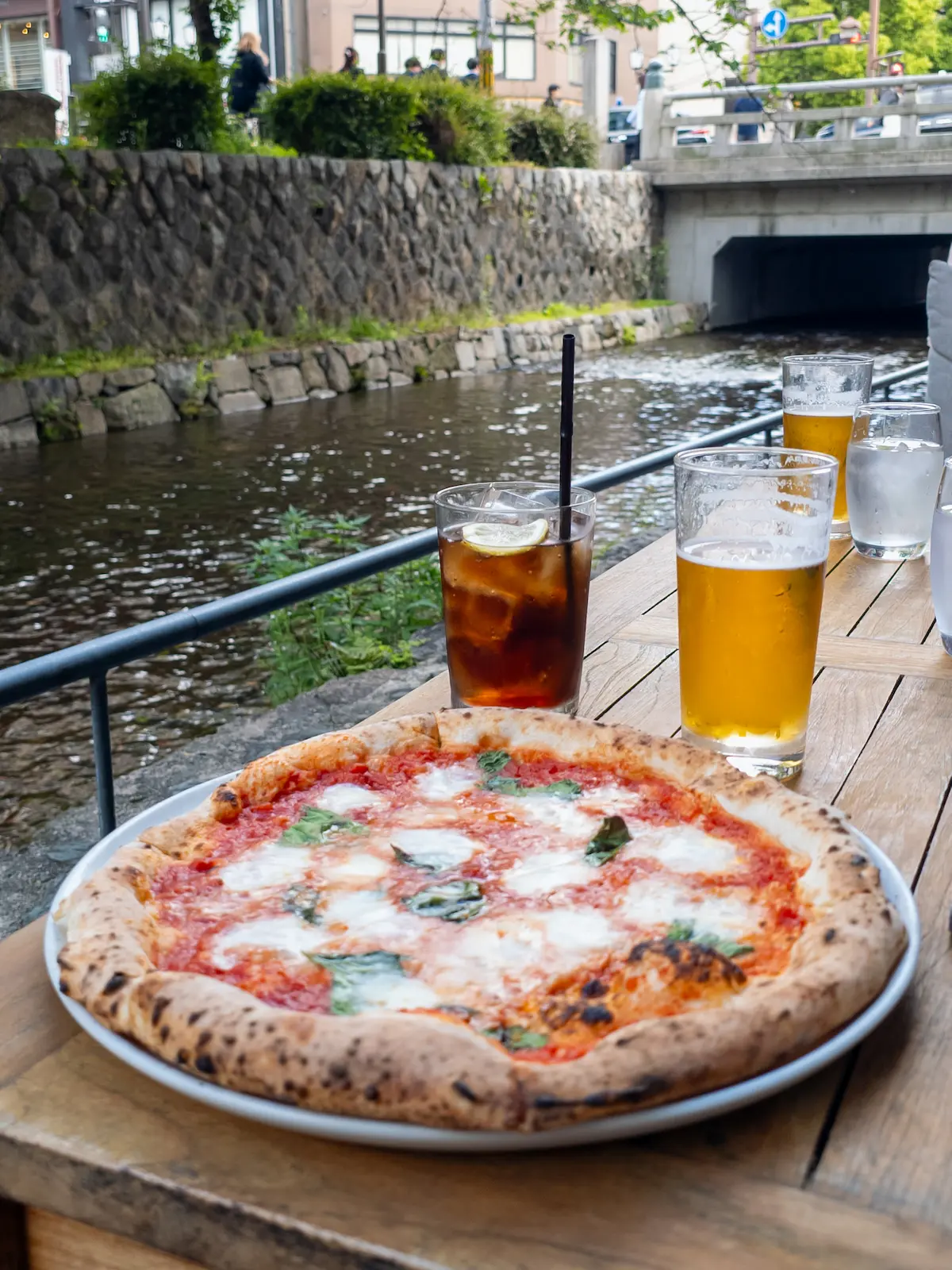
Luckily, Gora Brewery has a pizza restaurant next door called PUB STOP Pizza & Bar, which had plenty of space and turned out to be amazing! But I still think, if the pizza was that good, how amazing must their steak be?
On our first evening in Hakone, we ate at a restaurant at Hakone Retreat Före, just down the road from our hotel, where I also had family staying. We managed to book this on the day, but a reservation was still required.
My advice: If there’s a particular restaurant you want to visit in Japan, especially in places like Hakone, check whether reservations are needed before you arrive. It’s worth securing a table rather than risking missing out.
How Far in Advance Should You Book?
This is entirely dependant on the activity you want to book.Some, like chopstick-making workshops can sometimes be booked the day before. Whereas experiences like PokéPark KANTO now require you to enter a ticket lottery several months before your visit.
Three Months or More in Advance
Once you have confirmed your flights, I would start looking at accommodation. I love using platforms such as Booking.com, as they can show properties with free cancellation if my plans change.
This is also when I would prioritise PokéPark Kanto. It’s lottery ticket opens up three months before your visit, with applications accepted between the 1st and the 12th of each month. Make sure you check the correct booking process for international visitors.
One or Two Months Before
At this point I would start to book the smaller activities and workshops that are important to you. My Game Boy Modding workshop was particular hard to book, and I wish I had started planning sooner. So if I was to do it all again I wouldn’t leave these experiences until the last minute.
If you’re travelling to Hakone, Romancecar tickets become available one month before departure, making this a good time to reserve your seats.
Two Weeks Before
Shibuya Sky tickets are currently released up to two weeks in advance. If you really want to visit at sunset, I would recommend checking as soon as your tickets become available as they will go quickly.
I would also book activities like teamLab Planets now, especially if you want to secure yourself an early morning time slot.
A Few Days Before
By this point, most of your important attractions should already be booked. I’d use the final few days to check restaurant reservations, particularly in Hakone, and confirm that all your tickets and booking details are accessible.
You don’t need to plan every minute of your trip. Some of my favourite experiences in Japan came from exploring without a strict itinerary, so I’d recommend leaving some flexibility.
What Can You Book Once You’re in Japan?
Although I’ve recommended booking several attractions in advance, that doesn’t mean you need to have every part of your Japan itinerary planned before you arrive.
In fact, some of my favourite moments came from exploring without a strict plan, discovering little shops, restaurants and attractions that I hadn’t even considered visiting. I would set a destination, head roughly in that direction and take a slow, meandering walk to see what caught my eye.
For everyday transport, you can generally use a Suica card to travel around cities like Tokyo without needing to book individual journeys in advance. Many temples, shrines and parks can also be visited spontaneously, although certain attractions may require tickets or reservations.
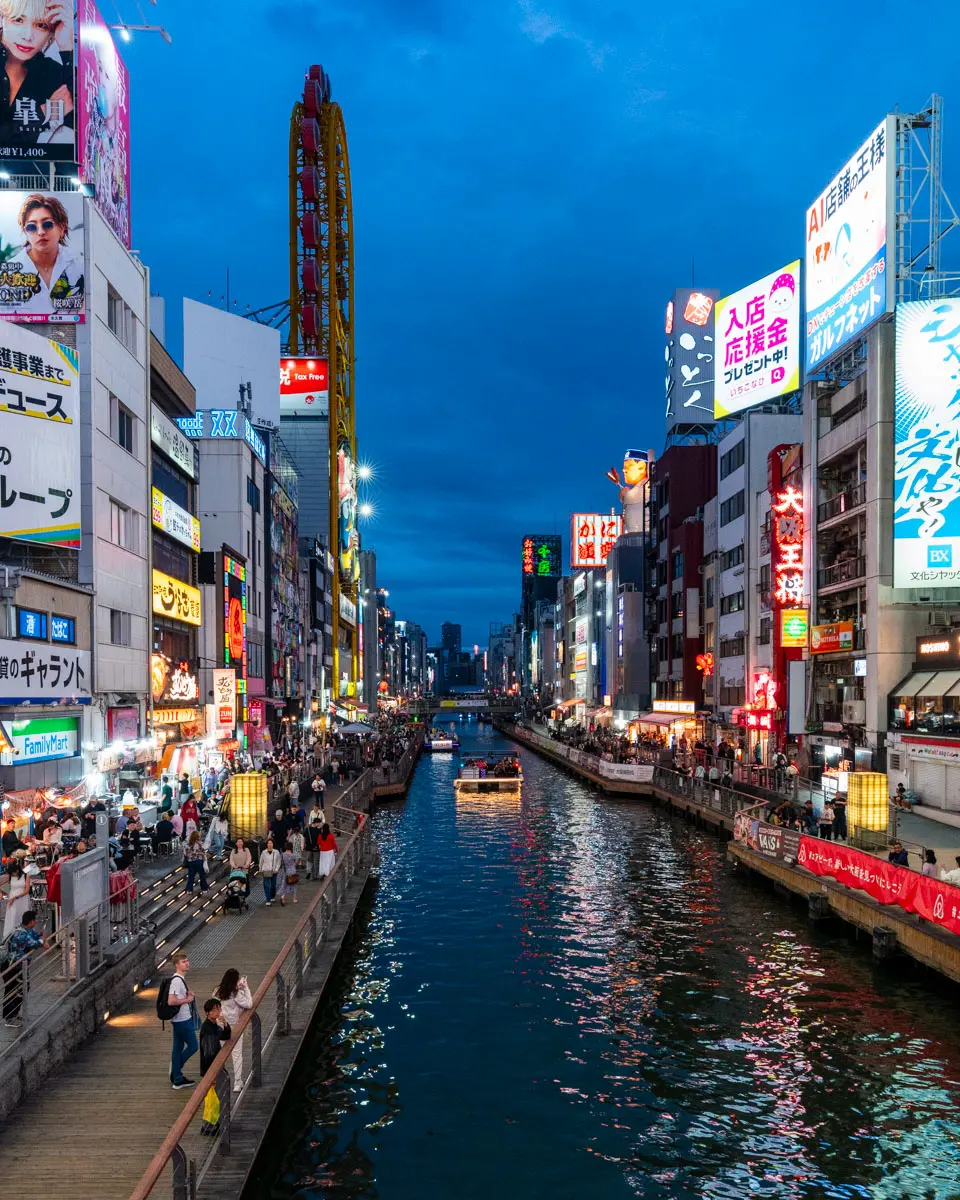
Restaurants are another area where you can be flexible. During my trip, I discovered some fantastic places simply by walking around. However, as I mentioned earlier, I’d be more cautious in places like Hakone, where dining options can be limited.
I always think it’s important to allow for some free time in your itinerary. You never know what you might come across whilst exploring, and Japan has so much to experience that you don’t want to spend your entire trip rushing between reservations.
My Japan Booking Checklist
If you’re feeling a little overwhelmed by everything you need to organise, here’s a simple checklist to help you plan your trip. You won’t necessarily need to book everything on this list, but it’s worth checking availability before you travel.
Once you’ve ticked off the important bookings, you can relax a little and leave some space in your itinerary for exploring Japan at your own pace.
Final Thoughts: What Would I Prioritise?
If I were planning another trip to Japan, this is the order I’d prioritise my bookings:
- Book your flights
- Book your hotels
- Book your attractions and experiences
- Book your restaurants
Booking your flights first gives you your travel dates. From there, I’d arrange your hotels so you know where you’ll be staying and can start planning activities around each destination.
Next, I’d focus on the attractions and experiences you really don’t want to miss, particularly those with limited availability or popular time slots.
Restaurants would generally be my last priority, as I found so many fantastic places simply by walking in. However, in areas like Hakone, where dining options can be limited, I’d definitely recommend making reservations in advance.
Ultimately, I’d recommend getting your most important bookings sorted before travelling, but leaving yourself some flexibility. Some of my favourite moments in Japan were completely unplanned, and I wouldn’t want to miss out on those experiences by having every hour of my trip organised.