

Planning your first trip to Japan can feel overwhelming. There are bullet trains, hotel changes, more experiences than you could fit into one trip. This 12 day Japan itinerary follows the exact route I took through Tokyo, Hakone, Kyoto, Nara, Osaka, Hiroshima and Mayajima. You’ll find where I went each day, how I travelled between cities, what I booked in advance and the hotels I stayed at.
I spent 12 full days exploring Japan, although if I could do it again, I would extend the trip to at least two weeks. As a first-time visitor, I was blown away by how much there is to see, eat and experience. This guides follows my route starting and ending in Tokyo, giving you a ready-made itinerary you can copy completely or adapt for your own trip.
Some links in this Japan itinerary are affiliate links, which means I may earn a small commission if you book through them, at no extra cost to you. I only recommend hotels, tours and experiences I used myself or would genuinely consider booking.
📍 Japan Itinerary Overview
This 12 day Japan Itinerary is ideal for first-time visitors who want to experience a mix of modern Tokyo, traditional Kyoto, scenic Hakone, food-focused Osaka and a meaningful day trip to Hiroshima and Mayajima.
- Days 1–2 Tokyo (Shinkuku, TeamLabs, food tour)
- Days 3–4: Hakone (onsen, views, pirate ship)
- Days 5–8: Kyoto + Nara (temples, deer, tea ceremony)
- Days 9–10: Osaka (Umeda Tower, food, day trip to Hiroshima)
- Day 11-12: Tokyo (Tokyo Tower, Sumo, Shibuya Sky, final shopping)
- Departure Morning: Fly home from Haneda Airport
Is 12 days enough for Japan?
Yes, 12 days is enough for a first trip to Japan, but you need to be selective. This itinerary focuses on a first-time route through Tokyo, Hakone, Kyoto, Osaka and Hiroshima that provides a mix of major sights, food experiences, cultural activities and day trips. It is a busy itinerary, but it works well if you book key activities in advance and use luggage forwarding between some cities.
What to book in advance:
Some parts of this Japan Itinerary are much easier if you book them before you travel. You don’t have to prebook everything, but I would prioritise teamLab Planets, your Hakone Onsen hotel, Shibuya Sky, Kyoto cultural workshops, a Tokyo food tour, the sumo experience and any limited-capacity activities like the GameBoy workshop. Prebooking the most popular activities will make the trip far less stressful.
Day 1: Arrive in Tokyo, explore Toyosu and relax with a rooftop footbath
After a long flight to Japan, keep your first day in Tokyo simple. I stayed at Villa Fontaine Grand Tokyo Ariake, which was a convenient base for a slower arrival day and only a short journey from the Toyosu area. Instead of trying to cram i major sightseeing straight away, I headed out for food, a cold beer and a relaxed wander around the local area.
One of my favourite low-effort finds nearby was the free public footbath overlooking Tokyo. After hours on a plane, sitting with your feet in warm water while taking in the city views is exactly the kind of first-night activity you need. It is simple, free and a great way to ease yourself into Japan without overdoing it.
Day 2: TeamLab Planets, Shinjuku, Samarai Museum and a Tokyo Food Tour
Beat the jetlag by starting your first full day in Tokyo early. I recommend booking teamLab Planets for one of the first entry slots of the day, as this gives you the best chance of experiencing some of the rooms before they become too busy. You will need to book tickets in advance, especially if you want a morning slot.
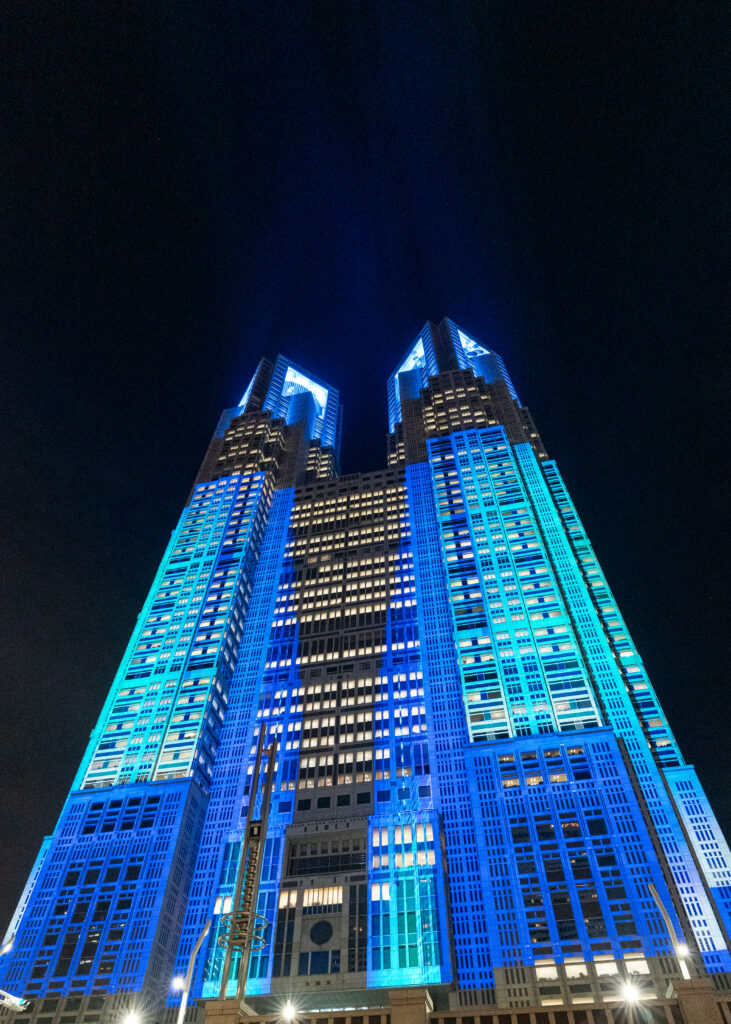
After teamLab Planets, head across to Shinjuku for the afternoon. This is one of Tokyo’s most exciting areas, with neon streets, shopping, shrines, restaurants and plenty of places to get wonderfully lost. I also visited an interactive Samurai Museum, which was a lot more fun than I expected and a good way to add a bit of history and culture into a very modern day Tokyo.
For dinner, I would highly recommend booking a Shinjuku food tour rather than trying to figure out everything yourself on your first full night. I joined a tour hosted by Emma and it was one of our best introductions to Japanese cuisine I could have asked for. If you get a taiyaki, order the custard flavour, you won’t regret it.
For dinner, I would highly recommend booking a Shinjuku food tour rather than trying to figure out everything yourself on your first full night. I joined a tour hosted by Emma and it was one of our best introductions to Japanese cuisine I could have asked for. If you get a taiyaki, order the custard flavour, you won’t regret it.
Bonus Activity:
Before or after your food tour, make time to see the famous 3D Shinjuku Cat billboard. It is quick, fun, and completely free, which is always a bonus in a city where paid attractions add up quickly. If you still have energy, you can also visit the Tokyo Metropolitan Government Building. The free observation decks and evening projection shows make it another budget-friendly stop in Shinjuku.
Why I recommend luggage forwarding for this itinerary
Hakone is much easier with a small overnight bag. The area uses a mix of trains, buses, ropeways and hotel transfers, which can be awkward with large suitcases. If you forward your main luggage from Tokyo to Kyoto, you can enjoy Hakone with just a daypack and your suitcase will be waiting in your hotel room when you arrive in Kyoto.
Day 3: Travel from Tokyo to Hakone and stay in an Onsen hotel
Today, leave the energy of Tokyo and travel to the mountain town of Hakone. I took the Romancecar from Shinjuku, which is a comfortable and scenic way to reach Hakone without needing to use the Shunkansen. It is not the fastest train you will take in Japan, but that is part of the appeal. Sit back, enjoy the views and let the pace of the trip slow down.
I would really recommend buying a Hakone Freepass if you plan to follow the classic Hakone Loop the next day. It can make travelling around the area much simpler, as Hakone uses a mix of trains, buses, cable cars, ropeways and boats.
Japan Luggage Tip:
You do not need a full suitcase for Hakone. If you are travelling from Tokyo to Hakone and then on to Kyoto, it is much easier to forward your main luggage from your Tokyo hotel to your Kyoto Hotel and live out of a backpack for two nights. Many hotels can help arrange this, and it makes the trains, buses and transfers around Hakone less stressful.
I stayed at the Blisstia Hakone Sengokuhara and paid extra for a room with a private Onsen bath. It was the most expensive hotel of my Japan trip, but it was easily one of my most memorable stays. Hakone is not a place I would visit for nightlife, but that is exactly why it works so well between Tokyo and Kyoto. After a busy few days in the city, having a spacious room and your own Onsen feels like a proper reset.
Day 4: Hakone Loop, Lake Ashi pirate ship and Hakone Shrine
This is the day to properly put your Hakone Freepass to use. Start early and follow the Hakone Loop, using a mix of trains, cable cars, ropeways, buses and boats to explore the area. It can take longer than you expect, but the journey is part of the experience, taking you across the mountains, over volcanic landscapes and across Lake Ashi on the famous pirate ship.
One of the main highlights is the Hakone Shrine and the famous torii gate by the water. It is one of the most photographed places in Hakone. Even if there is a queue for photos, the setting is beautiful enough to make the stop worthwhile.
I would also make time for Owakudani, the volcanic valley famous for its black eggs. I ended up running out of time and skipped it, partly because the sulphur smell was a little off-putting, but I regret that now. On a clear day, Owakudani is one of the best places in Hakone to see Mt Fuji and get that classic mountain-view photo.
For dinner, I had hoped to eat at Gora Brewery and Grill. But it was fully booked, so this is one place I would recommend reserving in advance. Luckily, Pub Stop Pizza & Bar next door turned out to be a great backup. It was easy to get a table, the pizzas were genuinely good, and it was much better value than I expected.
Where I stayed during this Japan intinerary
I stayed in 5 different hotels during this trip: one in Tokyo for the first two nights, one in Hakone with a private Onsen, one in Kyoto, another in Osaka and my last one on my return to Tokyo for my final nights. Changing hotels this often might sound a lot, but it helped me avoid unnecessary day trips. Plus I enjoyed comparing hotels and trying new places.
Tokyo / Ariake
Villa Fontaine
Easy arrival, teamLab Planets and a slower first night.
Hakone
Blisstia Hakone Sengokuhara
Private Onsen room, mountain stay and relaxation.
Kyoto
Hotel Traveltine
Great base for Nishiki Market, tea ceremonies and exploring.
Osaka
Hotel Noum
Osaka Castle, calmer location and easy access to the city.
Tokyo / Suidobashi
Sequence Suidobashi
Final Tokyo nights, speakeasy bar and easy transport links.
Day 5: Take the Shinkensen to Kyoto and explore Nishiki Market
Today is the day you get your first proper experience of Japan’s bullet train. The shinkansen is more expensive than regular JR trains, but its also one of those travel experiences that feels exciting it its own right. It is fast, smooth, efficient and a brilliant way to travel between Hakone and Kyoto.
You do not always have to book Shinkansen tickets far in advance, but I would recommend reserving seats if you are travelling with large suitcases. Oversized luggage spaces are limited, and booking ahead gives you more choice and less stress on the day. This is another reason why luggage forwarding can make travelling around Japan much easier.
Once you arrive in Kyoto, drop your bags at your hotel and head out to explore. I stayed at Hotel Traveltine Kyoto, which was in a great location for walking around the city. For your first afternoon, Nishiki Market is a great place to start, with food stalls, independent shops, coffee spots and restaurants all packed into one lovely area.
Day 6: Nara deer, Arashiyama Bamboo Forest and Fushimi Inari day trip
This was the easiest day of the itinerary from a planning point of view because I booked a guided day trip., I love using tours for busy sightseeing days, especially when they remove the pressure of navigating transport, timings and multiple locations in one day. The tour I booked had pick-up points in both Kyoto and Osaka so you could easily move this day around depending on where you are staying.
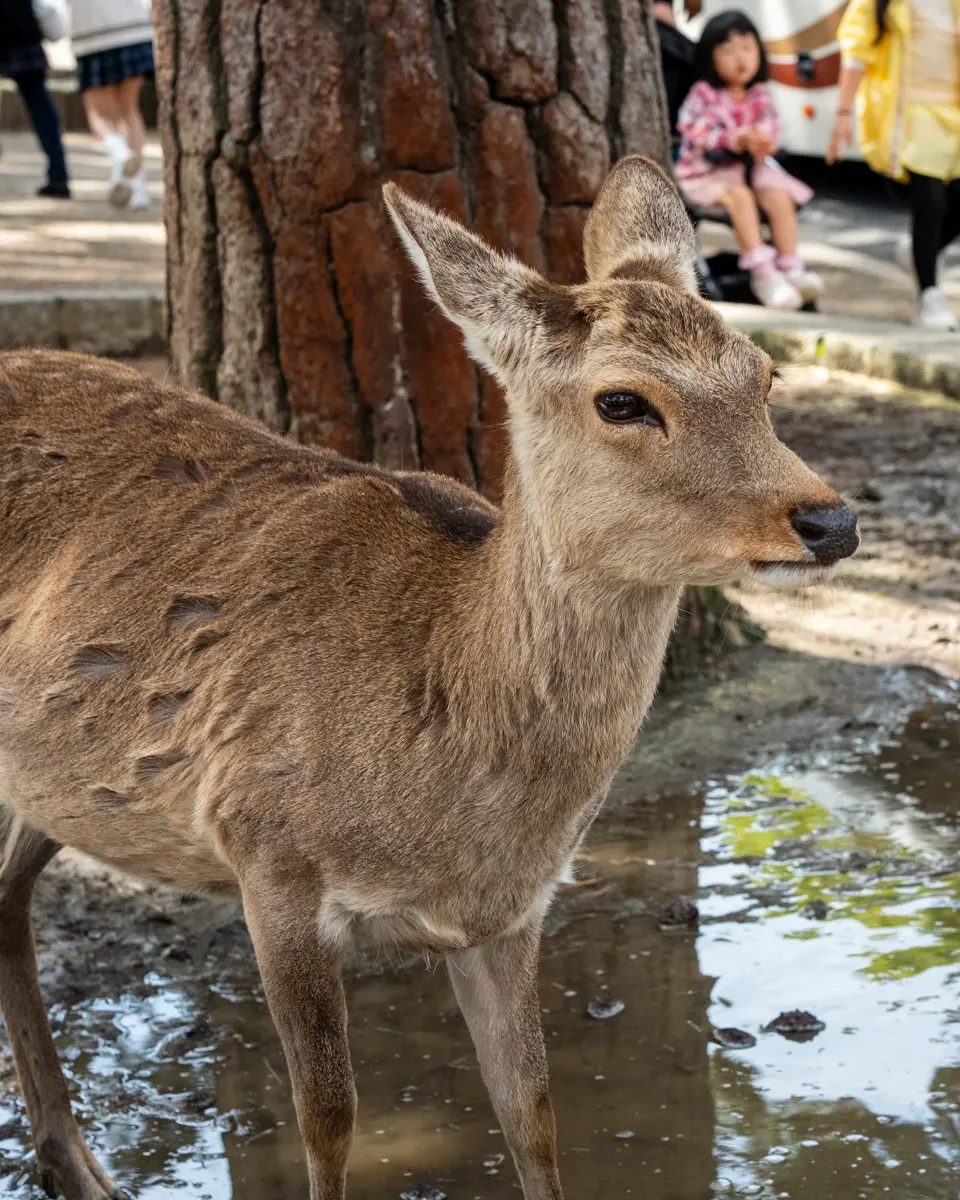
The first stop was Nara, famous for its free-roaming deer. You can buy special deer crackers called shika senbei, which are made for them, so avoid feeding them anything else. The deer are used to visitors and many will bow for food, but they are still wild animals. Give them space, especially the males with antlers, as some can be more pushy than others.
Next, you will head to Arashiyama to visit one of Japan’s most iconic bamboo forests. It is beautiful, but extremely popular, so do not expect to have it to yourself during the middle of the day. If photography is a priority, consider returning early another morning from Kyoto, when you will have a much better chance of quieter and cleaner paths.
The final stop is Fushimi Inari Taisha, famous for its thousands of red torii gates. This is one of the most iconic photo locations in Japan and it is easy to reach from central Kyoto, which also means it gets very busy. If you want quieter photos, visit around sunrise. Even with the crowds, it is still a beautiful place to explore and one of those Kyoto sights that really does live up to the hype.
Day 7: Kyoto tea ceremony, chopstick making and Yasaka Pagoda
Use this day to slow down and experience more of Kyoto’s traditional side. I started with a visit to the Pokémon Centre, then a breakfast of pancakes at Kuro café before wandering back through the market area and nearby streets. Later in the day, I had a tea ceremony booked through GetYourGuide, which felt like one of those Japanese experiences you have to try at least once.
After a quick lunch, I walked to my next activity: a chopstick-making workshop at 禅 ZEN Chopsticks and Kintsugi Workshop. I loved this much more than I expected and honestly left considering whether I could take it up as a hobby at home. I only booked the chopstick-making session but if I went again, I would add the Kintsugi workshop too.
From there, take a short walk up the hill towards Hōkan-ji Temple, better known as Yasaka Pagoda. This is one of Kyoto’s most photogenic streets, especially if you visit around golden hour when the light softens and the pagoda glows between the traditional buildings. There are also plenty of small coffee spots and vending machines if you need a quick pick-me-up along the way.
Day 8: Kyoto shopping, Hikiniku to Come and a Japanese Knife workshop
Hikiniku to Come was my favourite restaurant in Japan, no competition. The experience is simple but brilliant: you are served three freshly cooked wagyu hamburger steaks, each with different instructions on how to eat them. It turns into a full tasting experience rather than just a meal. Book ahead if you can, because the same-day reservation queue can stretch down the street in the morning. I ended up going for breakfast because that was the only time I could get.
Spend the rest of the day shopping and exploring Kyoto at a slower pace. A Japanese kitchen knife is one of the most popular souvenirs to bring home, but I decided to take it a step further and book a knife-sharpening workshop at Hirui. I learnt from experts, customised my own handle and had the blade engraved, which made it feel like a much more personal souvenir than simply buying one from a shop.
Day 9: Kyoto to Osaka, Osaka Castle, Shinsekai and Dotonbori
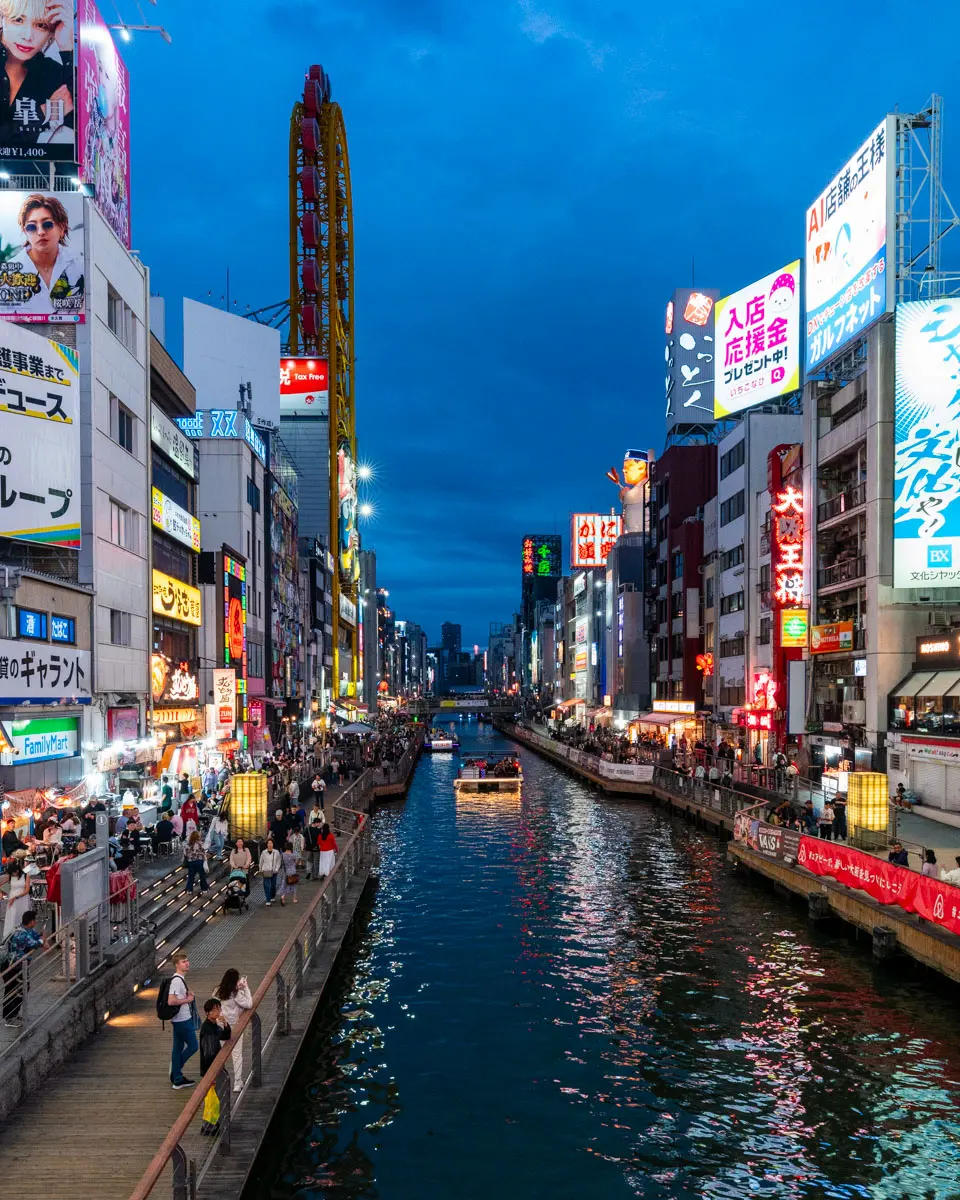
It’s time to say goodbye to Kyoto and travel to Osaka. The journey is easy, affordable and takes around 30 minutes by train, so you do not need to reserve seats in advance. Once you arrive, drop your bags at your hotel and head straight to Osaka Castle for photos before making your way to Kuromon Market for a lunch and a proper introduction to Osaka’s food scene.
In the afternoon, head to Shinseka for Retro Osaka atmosphere, colourful streets and plenty of photo opportunities. If you want some skyline views, you can go up Tsutenkaku Tower before heading towards Shinsaibashi Shopping Street and the famous Glico Man sign. End the evening in Dotonbori, where the lights, food stalls and riverfront make Osaka feel completely after dark. A river cruise is a great way to see it all without adding too much extra walking.
Not ready to end the night? Get a taxi over to Umeda Tower for one last experience. This not only gives you the best views of Osaka, but luminescent flooring really makes you feel like your standing in the stars. There are some great photo ops here and even staff working as full time photographers to get you that new profile pic.
Day 10: Hiroshima and Miyajima day trip from Osaka
Today is a self-guided day trip from Osaka to Hiroshima and Miyajima. It is a long day, but it was one of the most memorable parts of my Japan itinerary. Start early and take the Shinkansen from Shin-Osaka Station to Hiroshima, then make your way to Peace Memorial Park. This is not a place to rush. Take time to slow down, reflect and understand the history of where you are standing.
From Hiroshima Peace Memorial Park, you can take a direct boat to Miyajima Island, which is the quickest and most scenic option. I would recommend checking availability early, as spaces can be limited. If the direct boat is full, you can get the tram towards the ferry terminal and use the public ferry instead. We managed to get the boat one way, then returned using the public ferry which worked well.
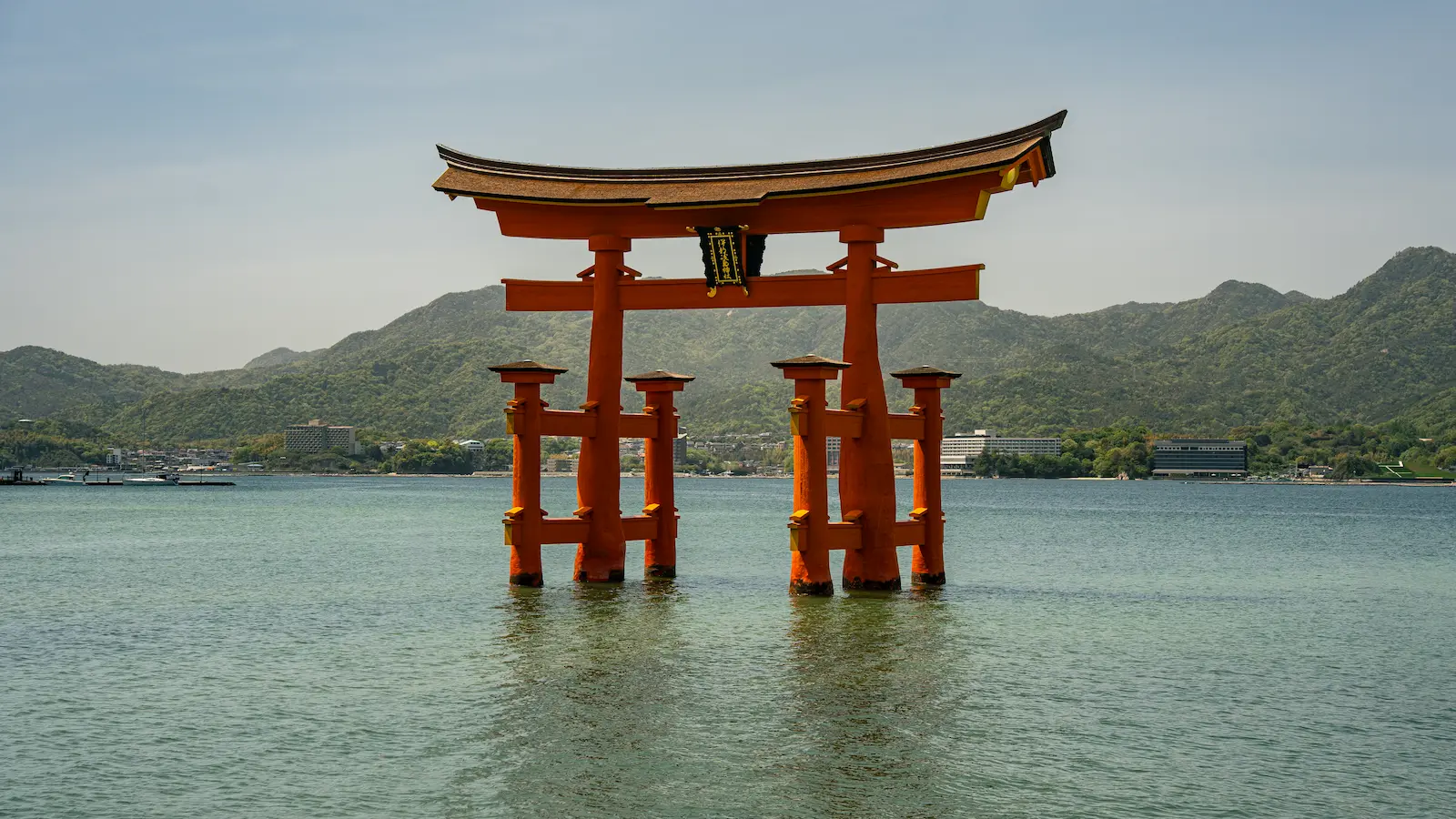
Like Nara, Miyajima Island has free-roaming deer , although I found them much calmer and less demanding. The two main two sights you’ll want to explore are Itsukushima shrine and the ropeway up towards the observation points. Try to check the tide times before your visit. At high tide, the famous torii gates appears to be floating on the water, while at low tide you can walk right up to it for a completely different photo.
Returning to Osaka, I stayed at the Hotel Noum, which was in a great location to walk to the Osaka Castl. Even better, there’s a late-opening pancake spot nearby called One Day Creperie. After a long day at Hiroshima and Miyajima, their tiramisu pancake was exactly the kind of late night treat I needed.
Day 11: Return to Tokyo, Tokyo Tower, sumo wrestling and Akihabara
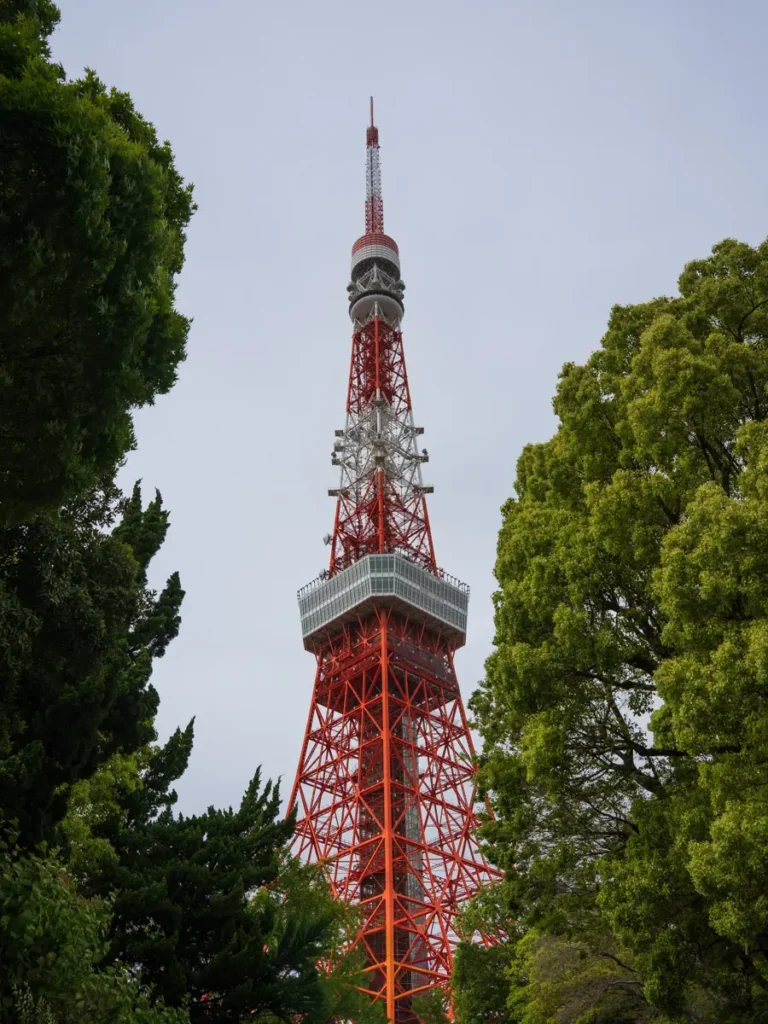
It is time to return to Tokyo for the final part of the trip. Book an early Shinkansen from Osaka so you still have most of the day to enjoy the city. If you are travelling with suitcases, reserve your seats in advance. You could forward it in advance but that does mean another night without your possessions. Once you arrive, drop yours bags are your hotel and head out towards Tokyo Tower. I did not go up the tower, but walking the surrounding streets gave me some of my favourite photos from the entire trip.
Next, book a sumo wrestling experience. You can choose between a daytime show with a few Asahi beers, or book an evening experience that includes dinner. It is fun, theatrical and a brilliant way to learn more about sumo without needing to attend a full tournament. Just do not eat too much beforehand, because some shows let volunteers step into the ring for a real sumo challenge.
Japan has such a huge gaming culture, and if you grew up with retro games, this next activity is brilliant. I booked a build-your-own Game Boy experience, where you take an original console and customise it with a new shell, buttons and modern screen. Spaces are extremely limited and the workshop can book up months in advance, so this is one activity you really need to plan ahead for.
Day 12: Shibuya Crossing, Shibuya Sky and a final night in Tokyo
Shibuya Crossing is one of those Tokyo sights you will have seen all over social media, so it is worth visiting at least once. Honestly, I found the crossing itself a little underwhelming, but the surrounding area is still fun to explore. If you enjoyed the 3D Shinjuku Car, look out for the Akita Inu billboard in Shibuya, which puts on a short display around the hour.
While your in the area, book tickets for Shibuya Sky. This is one of the best observation decks in Tokyo, with open-air views over the city and, on a clear day, a chance of seeing Mt Fuji in the distance. Morning tickets can be easier to get, but sunset is the dream slot in you manage to book early enough.
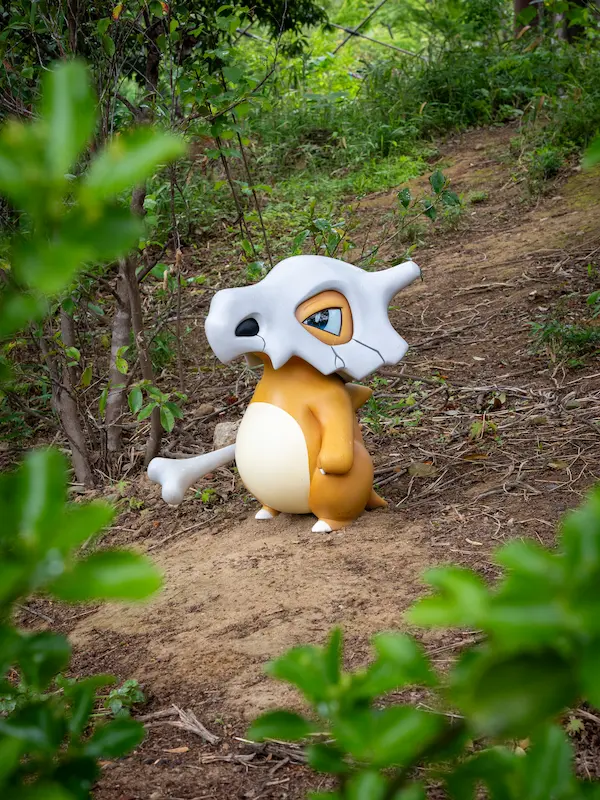
In the afternoon, I had tickets for the PokéPark Kanto. This was one of the hardest things to book on the trip, so if it is on your Japan wish list, be ready when tickets are released. The journey from central Tokyo takes around an hour by train, but if you grew up on Pokémon like I did, the Pokémon Forest is fill of nostalgia and well worth the effort.
When you return to central Tokyo, end the trip with something memorable. I stayed at Sequence Suidobashi Tokyo, which has a hidden speakeasy bar inside the hotel. We managed to get in without a reservation, but part of the fun is finding the hidden key before you can enter. It made for a perfect final-night drink before flying home.
Departure morning: Fly home from Haneda Airport
My final morning in Japan was all about getting to Haneda Airport, so I did not plan any extra activities. Staying in the same hotel as the speakeasy made the night before much easier. I could head straight to bed and get as much sleep as possible before a 5am wake-up. If you still need last-minute souvenirs, Don Quijote is always a useful backup. Many of the chains branches are open late or even 24 hours.
That was my full first-time Japan itinerary, covering Tokyo, Hakone, Kyoto, Nara, Osaka, Hiroshima, Miyajima and a fin return to Tokyo. You can copy this route completely or use it as a starting point to build your own Japan trip. If I were doing it again, I would probably add a couple of extra days, allowing me to do a Mt Fuji tour in Hakone. But for a first visit this itinerary gave me an incredible mix of cities, culture, food, scenery and once-in-a-lifetime experiences.
Whether your a frequent visitor or first timers to Japan, feel free to copy this 12 day Japan itinerary completely, or use it as a template for your own trips.